
Public
Uncovering the truth behind popular gambling myths
Uncovering the truth behind popular gambling myths
Understanding the Basics of Gambling Myths
Gambling myths are widespread in popular culture, often perpetuated by media portrayals and anecdotal experiences. One of the most common myths is the belief that certain games offer better odds than others. Many newcomers think that games like slots are designed to be rigged against players, while table games like blackjack or poker are believed to provide a more favorable house edge. In reality, each game has its own statistical probabilities that remain constant, regardless of how often a player wins or loses. Consequently, it’s important to seek accurate information, such as that found on pikashow-in.top, for a broader understanding of such topics.
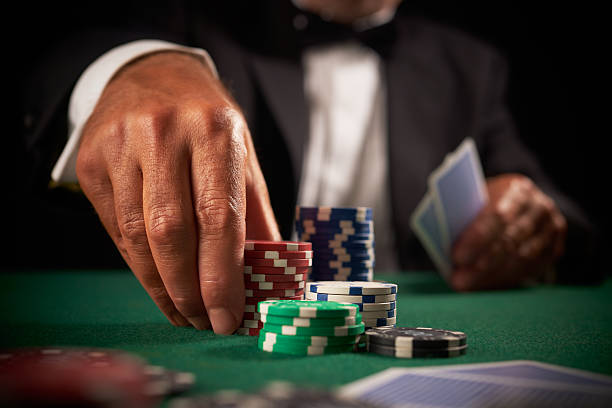
Additionally, the notion that “hot” or “cold” streaks exist in gambling misleads beginners. For instance, some players might believe that if a slot machine hasn’t paid out in a while, it’s due for a win. This concept, known as the gambler’s fallacy, undermines the random nature of gambling. Understanding that outcomes in games of chance are independent can help players make informed decisions rather than relying on misleading patterns.
It’s essential for beginners to approach gambling with a solid understanding of the rules and odds. Instead of getting swayed by myths, players should focus on familiarizing themselves with the mathematics behind the games they choose to play. Knowledge will empower them to make more strategic choices, maximizing their chances of enjoyment and success while minimizing unnecessary losses.
The Role of Luck and Skill in Gambling
Another prevalent myth in the gambling world is the idea that luck is the sole determinant of winning. While luck certainly plays a role, particularly in games of chance like slots or roulette, many games require a level of skill and strategy. For example, poker and blackjack involve psychological elements, where understanding your opponents’ behaviors can significantly impact your success. Misunderstanding the balance between luck and skill can lead novices to underestimate the complexity of these games.
Moreover, many gamblers believe that they can influence the outcome of a game through rituals or superstitions. Players might wear lucky clothing or perform certain actions before placing a bet, convinced that these behaviors will lead to a favorable outcome. However, such practices do not alter the inherent randomness of the games. Learning to differentiate between skill-based games and those relying purely on luck is crucial for a realistic approach to gambling.
Recognizing the balance of luck and skill can empower players to embrace a more strategic mindset. By focusing on developing skills in games like poker or blackjack, players can improve their odds and make the gambling experience more enjoyable and potentially profitable. Adopting this balanced perspective is key to long-term success in gambling.
The Myths Around Gambling Addiction
The stigma surrounding gambling addiction often leads to misconceptions about who can become addicted. Many people believe that only those with a weak character or poor impulse control fall prey to this problem. However, gambling addiction can affect anyone, regardless of their social status, intelligence, or background. Understanding that addiction is a complex issue influenced by psychological and environmental factors can foster empathy and encourage responsible gambling practices.
Another common myth is that gambling addiction is a straightforward issue that can be easily resolved with willpower. In reality, overcoming addiction often requires professional help, support systems, and a comprehensive approach to treatment. Myths surrounding this topic can lead to isolation for those affected, making it crucial to raise awareness and understanding about the complexities of gambling addiction.
Ultimately, promoting responsible gambling practices can help combat the dangers of addiction. Providing resources for education and assistance is vital to create a safer gambling environment. By fostering a community that acknowledges the risks and realities of gambling, we can work toward a healthier understanding of this popular pastime.
Debunking the Myth of “The House Always Wins”
The saying “the house always wins” is often seen as a self-evident truth in gambling circles. While it is true that casinos are designed to have a statistical advantage, this does not mean that players cannot experience significant wins. Many individuals have walked away from casinos with impressive payouts. This myth can deter potential gamblers from engaging with the games, leading them to believe that any attempt to win is futile.
Furthermore, players can mitigate the house edge through strategic play and informed decisions. For instance, understanding optimal strategies in games like blackjack can greatly reduce the house’s advantage. This awareness can empower players to feel more in control of their gambling experiences, making it less about fate and more about informed choices.
By debunking the myth that the house always wins, aspiring gamblers can cultivate a more positive relationship with gambling. This shift in perspective encourages individuals to approach gambling as a form of entertainment rather than a guaranteed loss, allowing them to enjoy the experience while understanding their limits. In doing so, players can fully appreciate the thrill of the game while staying responsible.
Exploring Responsible Gambling Resources
Understanding the myths around gambling is essential for both new and experienced players. Resources are available to help gamblers navigate the complexities of the gaming world and promote responsible practices. Websites dedicated to gambling education offer insights into various games, odds, and strategies, empowering individuals to make informed decisions. These platforms aim to bridge the knowledge gap for beginners, offering tutorials and guidelines that clarify many misconceptions surrounding gambling.
Additionally, organizations focused on gambling addiction provide crucial support and resources for those struggling with gambling-related issues. Access to treatment and counseling can significantly impact an individual’s path to recovery, emphasizing the importance of understanding the risks involved in gambling. These resources serve as a reminder that responsible gambling is about enjoying the game while being aware of one’s limits.
As the conversation surrounding gambling myths continues to evolve, so does the need for comprehensive resources that encourage safe practices. By relying on educational platforms and support organizations, players can navigate the gambling landscape with confidence. This proactive approach fosters a healthier environment, ensuring that the thrill of gambling can be enjoyed responsibly and safely.
